Why Smart NYC Buyers Are Choosing Riverside Boulevard Over Prime Upper West Side Blocks
Michael Holt | May 9, 2026
Buying
Michael Holt | May 9, 2026
Buying
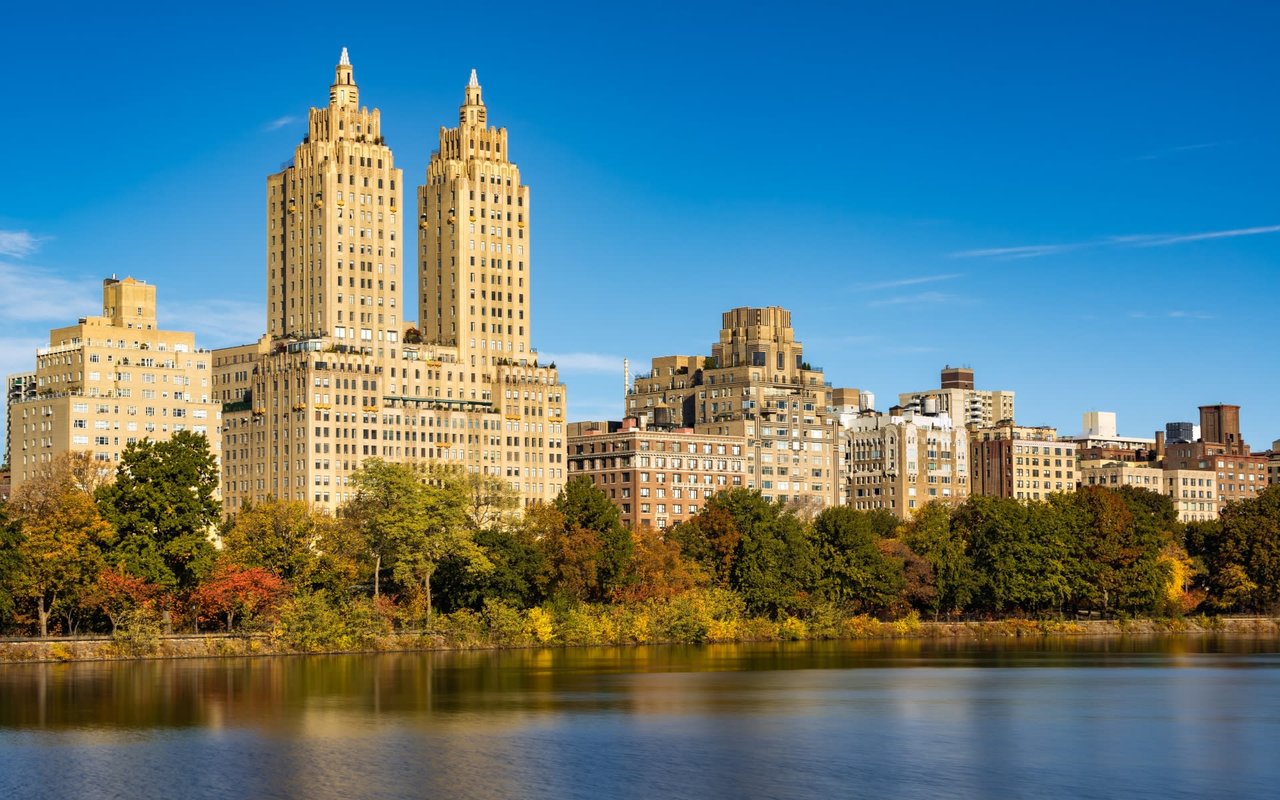
When most buyers picture the Upper West Side, they imagine classic Manhattan:
Pre-war co-ops.
Tree-lined streets.
Central Park West.
Historic architecture.
Old New York charm.
And for many buyers, that is still the dream.
But a growing number of financially savvy NYC buyers — especially relocators, families, and high-income professionals — are making a different decision.
They are choosing Riverside Boulevard instead.
Not because it is trendier.
Not because it is more historic.
And not because it is the “best” part of the Upper West Side.
They are choosing it because, for their lifestyle and budget, the value equation often makes more sense.
One of the reasons Riverside Boulevard stands out is because it does not feel like traditional Upper West Side housing stock.
Most of the neighborhood’s major residential buildings were developed in the late 1990s and 2000s. As a result, buyers encounter a very different product than they would find on Central Park West, West End Avenue, or the prime streets in the 70s and 80s.
Instead of:
pre-war layouts,
smaller rooms,
and older co-op infrastructure,
buyers often find:
larger apartments,
newer construction,
full-service condominium buildings,
and extensive amenity packages.
That distinction matters more than many buyers initially realize.
The strongest argument for Riverside Boulevard is not necessarily price alone.
It is value relative to what buyers receive.
In many cases, buyers can secure:
larger floor plans,
newer finishes,
better amenity packages,
and condominium flexibility
while still paying less per square foot than prime Upper West Side locations closer to Central Park.
For relocation buyers especially, this becomes compelling quickly.
A buyer moving from:
Miami,
Los Angeles,
Dallas,
or newer luxury buildings in other cities
often prioritizes:
space,
amenities,
convenience,
and modern infrastructure
over pre-war architectural charm.
That buyer may view Riverside Boulevard very differently than a lifelong Manhattan resident.
Relocation buyers frequently experience some level of “Manhattan expectation shock.”
They arrive expecting:
large apartments,
luxury amenities,
easy parking,
modern layouts,
and full-service living.
Then they begin touring classic Upper West Side inventory and realize:
apartments are often smaller,
layouts can feel less efficient,
co-op rules can be restrictive,
and pricing can escalate quickly near Central Park.
Riverside Boulevard solves many of those friction points.
The buildings are generally:
newer,
highly amenitized,
professionally managed,
and more operationally predictable.
For buyers accustomed to modern luxury buildings, that familiarity matters.
One of the clearest distinctions between Riverside Boulevard and much of the traditional Upper West Side is the amenity infrastructure.
Many Riverside Boulevard buildings include:
pools,
basketball courts,
fitness centers,
children’s playrooms,
lounges,
parking,
concierge services,
and extensive staff coverage.
That is difficult to replicate in many older Upper West Side co-op buildings.
For some buyers, amenities are secondary.
For others — particularly families, hybrid workers, and relocators — they become central to daily quality of life.
This is one reason Riverside Boulevard tends to attract highly lifestyle-oriented buyers.
Riverside Boulevard is not universally better.
And buyers who treat it that way usually misunderstand the Upper West Side entirely.
The tradeoffs are obvious.
For buyers who prioritize daily Central Park access, the location difference matters.
Riverside Boulevard sits significantly further west.
You do not get:
classic brownstone blocks,
ornate pre-war architecture,
or the same “old New York” atmosphere.
Some buyers deeply value that emotional character.
Others care far more about apartment functionality.
Depending on the exact building location, subway access may feel slightly less immediate compared to more central Upper West Side locations.
That matters for some buyers and barely registers for others.
One of the more interesting patterns in the neighborhood is resident retention.
Buyers who move into Riverside Boulevard buildings often remain there for years.
Instead of leaving the neighborhood entirely, they frequently:
upgrade to larger units,
downsize within the same building,
or move between nearby buildings.
That kind of “stickiness” usually signals something important:
the lifestyle works well for the people it serves.
In Manhattan, where residents constantly migrate between neighborhoods, that consistency stands out.
Many buyers focus too heavily on where they believe they are supposed to live.
They prioritize prestige, perception, or historic reputation before evaluating how they actually live day to day.
That often leads buyers toward:
smaller apartments,
higher monthly costs,
less functionality,
and compromises they eventually regret.
The smarter approach is usually more practical.
Buyers should evaluate:
how they spend time at home,
how much space they truly need,
whether amenities improve their lifestyle,
and what their budget realistically buys in each submarket.
For many buyers, Riverside Boulevard performs extremely well under that framework.
Riverside Boulevard tends to work particularly well for:
Especially buyers coming from cities where newer luxury inventory is standard.
Larger apartments and amenity-rich buildings often become more valuable once daily family logistics enter the equation.
Many Riverside Boulevard buildings are condominiums, which can provide:
easier purchasing processes,
greater flexibility,
and fewer co-op restrictions.
For buyers comparing apartment quality relative to budget, Riverside Boulevard often becomes highly competitive against more traditional Upper West Side inventory.
Riverside Boulevard is not trying to compete with Central Park West on historic charm.
It is offering a different value proposition entirely.
For the right buyer, that tradeoff can make enormous financial and lifestyle sense.
And increasingly, many of the smartest NYC buyers are recognizing that the “best” neighborhood is not always the most famous one.
Sometimes it is simply the neighborhood that aligns best with how you actually live.
Interested in subscribing to our newsletters? Click below to receive our emails to make sure you never miss a beat (we won't blow up your inbox). Choose from Holt's Trending, Off-Market Listings, Holt's Monthly Market, and Open House List.
Buying
Here’s how land lease buildings work — and what buyers need to understand before purchasing.
Manhattan
Dine in style at these incredible New York City eateries.
Buying
Here’s how off-market deals actually work in NYC — and why access matters more than most buyers realize.
Manhattan
From rustic bars with fireplaces to cat cafes, there's something for everyone!

Manhattan
Organized crime has a long history of involvement in the construction industry in New York City.
Manhattan
This is especially important for sellers who are currently listed on the market, as the active season may be shorter than usual.
Manhattan
New York City is the perfect place to spend your holiday season, with plenty of activities and events for couples and families alike.

Buying
Research before you buy — everything you should know before starting your house hunt.
Manhattan
Research before you buy — everything you should know before starting your house hunt.
Manhattan
Explore these top attractions for a fabulous experience during your visit to Tribeca.

Manhattan
Grand Central Madison Terminal will have permanent murals by two of the world's most celebrated artists: Yayoi Kusama and Kiki Smith.

Manhattan
In the heart of New York City, Manhattan stands as a symbol of luxury living and unparalleled real estate opportunities.
Manhattan
Not only will it bring in more revenue and jobs, but it will also give residents and visitors alike a fun and exciting new place to visit!
Buying
Capitalizing on urban growth: Exploring real estate in Downtown Sarasota’s flourishing market.

Buying
Pristine beaches and luxury real estate.

Buying
A comprehensive guide to your success.

Buying
Exploring Lakewood Ranch: America's Best-Selling Community.
Manhattan
In this blog, advice is given to both buyers and sellers given the current and upcoming market conditions.

Manhattan
Your comprehensive resource for success on the Upper East Side real estate market.

Manhattan
Has real estate in Manhattan shifted to a buyer's market? Find out what you need to know if you are thinking of buying or selling.

Buying
With so many residents sharing a metropolis where space comes at a premium, New York City is known for having an active real estate market.
Manhattan
With so many residents sharing a metropolis where space comes at a premium, New York City is known for having an active real estate market.
Buying
A guide to finding the perfect home in Siesta Key.
Manhattan
Manhattan's real estate market has been struggling. Is it getting better and will it last? Advice for both buyers and sellers.

Buying
Unveiling Sarasota’s allure.
Manhattan
Sellers have endured a prolonged and arduous journey, but signs of improvement are finally emerging. Recent data indicates a potential upturn.

Manhattan
The sell signal timing window indicates that sellers may be approaching the peak of market activity and influence.
Manhattan
Whether you're aware of it or not, sellers currently find themselves in a notably demanding predicament.
The Holt Team is renowned for their unmatched ability to connect buyers with their dream properties and help sellers achieve their real estate aspirations. They understand that the ultimate determination of success is not awards or accolades, but the admiration of their clients. It's this unwavering commitment to client satisfaction that has earned them a loyal following and countless accolades.
88 University Pl 3rd Floor New York, NY 10003