Is a Classic Six on the Upper West Side Right for You?
December 18, 2025
December 18, 2025
You keep seeing “classic six” in Upper West Side listings and wonder what it really means for space, lifestyle, and resale. You want character, function, and a smart plan for any updates without surprises. In this guide, you’ll learn what defines a classic six, why these layouts shine on the UWS, how the staff room actually works, and what to know before you renovate or buy. Let’s dive in.
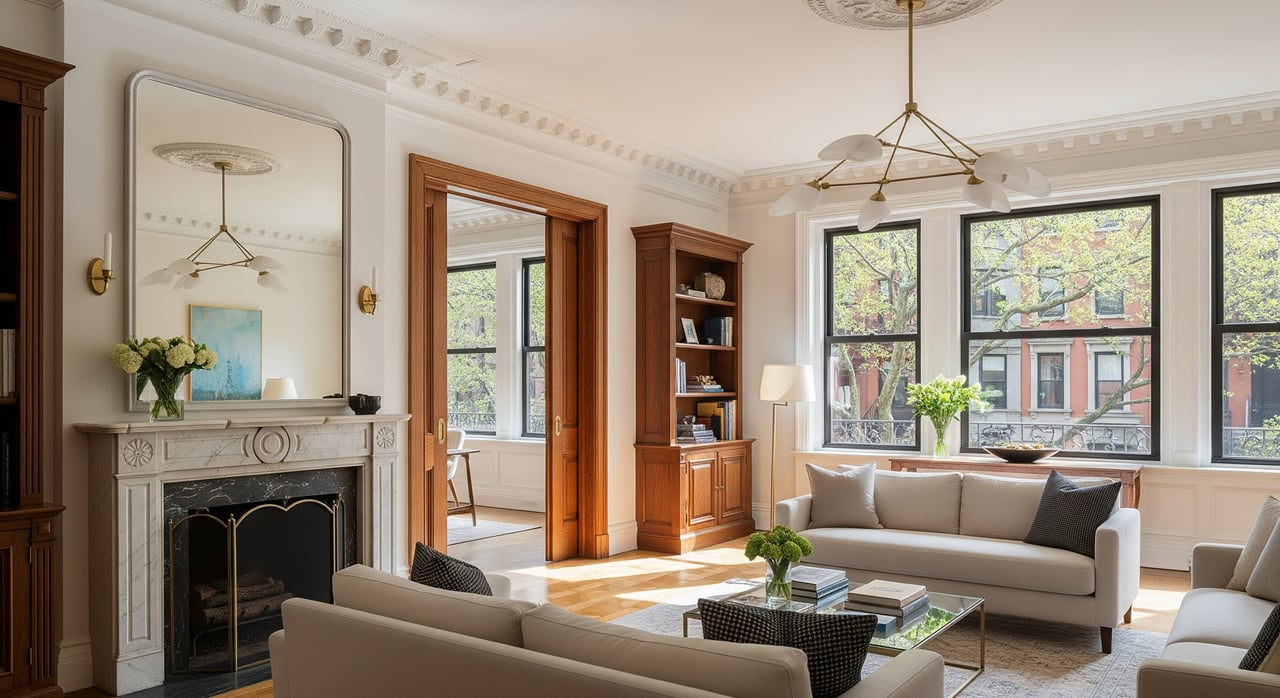
A classic six is a prewar apartment layout with six principal rooms in addition to service spaces like bathrooms and closets. The core rooms typically include a living room, formal dining room, two bedrooms, a kitchen, and a maid’s or staff room. Some buildings or brokers count rooms slightly differently, and a classic seven usually adds another full bedroom or den.
Classic six homes often sit in prewar buildings with high ceilings, plaster moldings, built-ins, and hardwood floors. You’ll usually find radiator heat and separate formal rooms rather than an open plan. Pocket doors and original millwork are common, and many buyers value the proportions and detail.
The Upper West Side offers cultural access, parks, and easy daily living. A classic six suits that lifestyle because you get formal entertaining space plus multiple private rooms. If you like defined areas for dining, work, and quiet, this layout delivers.
Classic sixes hold appeal because buyers often search specifically for prewar character and flexible room counts. Some owners preserve the formal rooms, while others open the kitchen to the dining room to modernize. Both strategies can work, depending on your target buyer.
Classic six apartments vary widely by building and floor. A common range is roughly 1,000 to 1,800 plus square feet, though some run smaller and others exceed 2,000. Living and dining rooms often span 12 to 20 feet in one dimension, with bedrooms commonly 10 to 15 feet. Always verify square footage and review the floor plan.
The maid’s or staff room is typically smaller, near the kitchen or a service corridor, and may have limited light. It often lacks a full closet or ensuite bath. Because of window and egress requirements, this room may not qualify as a legal bedroom unless it meets code and building standards.
Many owners use the staff room as a home office, nursery, walk-in closet, or pantry with minimal permitting if no plumbing or structural work is involved. Converting it to a small ensuite can be possible if plumbing stacks and building rules allow it. Opening the dining room and kitchen is a popular update, but you need to confirm structural elements and approvals first.
On the Upper West Side, many classic sixes are in co-ops that require board approval for most renovations. Expect alteration agreements, approved work hours, insurance, and possibly required contractors. Condos are often more flexible, but you still need building management approval for major work.
Work that moves or adds plumbing, alters structure, or upgrades electrical service typically requires an architect or engineer and filings with the NYC Department of Buildings. If the building or interior features are landmarked, the NYC Landmarks Preservation Commission may also need to approve certain work. Rooms marketed as bedrooms must meet egress and window requirements.
Many classic sixes rely on radiator heat. Adding central air can be invasive and costly in a prewar shell. Split-system mini-splits are a common retrofit, though exterior condenser placement can be limited by building rules. Plumbing stacks usually fix where kitchens and baths can go, so moving them drives cost and complexity.
Walls between dining and kitchen may be load-bearing, so you will need structural review before opening them. Plaster walls and decorative moldings often need specialized restoration. In older buildings, lead paint or asbestos can require proper abatement.
Big cost factors include moving stacks, structural changes, electrical upgrades, HVAC installation, professional fees, and permit filings. To protect value, preserve original details where you can and modernize kitchens, baths, storage, and electrical capacity. If you plan to open rooms, consider partial openings or passthroughs to keep prewar character.
If you want prewar charm, formal entertaining, and flexible rooms on the Upper West Side, a classic six is worth a close look. You get space to host, work, and unwind in clearly defined zones. With the right renovation plan and approvals, you can blend character with modern function and protect resale.
Ready to explore classic six options or map a renovation plan that passes board review and adds value? Connect with the family-led experts at The Holt Team to get clear next steps and a tailored search. Request a Consultation.
Interested in subscribing to our newsletters? Click below to receive our emails to make sure you never miss a beat (we won't blow up your inbox). Choose from Holt's Trending, Off-Market Listings, Holt's Monthly Market, and Open House List.
The Holt Team is renowned for their unmatched ability to connect buyers with their dream properties and help sellers achieve their real estate aspirations. They understand that the ultimate determination of success is not awards or accolades, but the admiration of their clients. It's this unwavering commitment to client satisfaction that has earned them a loyal following and countless accolades.
88 University Pl 3rd Floor New York, NY 10003