West Village Lifestyle Guide: Cafes, Culture, Corners
May 14, 2026
May 14, 2026
What makes the West Village feel so different from the rest of Manhattan? In a city known for straight lines and fast routines, this neighborhood offers winding blocks, angled corners, waterfront access, and a daily rhythm that feels both lively and intimate. If you are thinking about buying, renting, or simply getting to know the area better, this guide will help you understand how the West Village actually lives day to day. Let’s dive in.
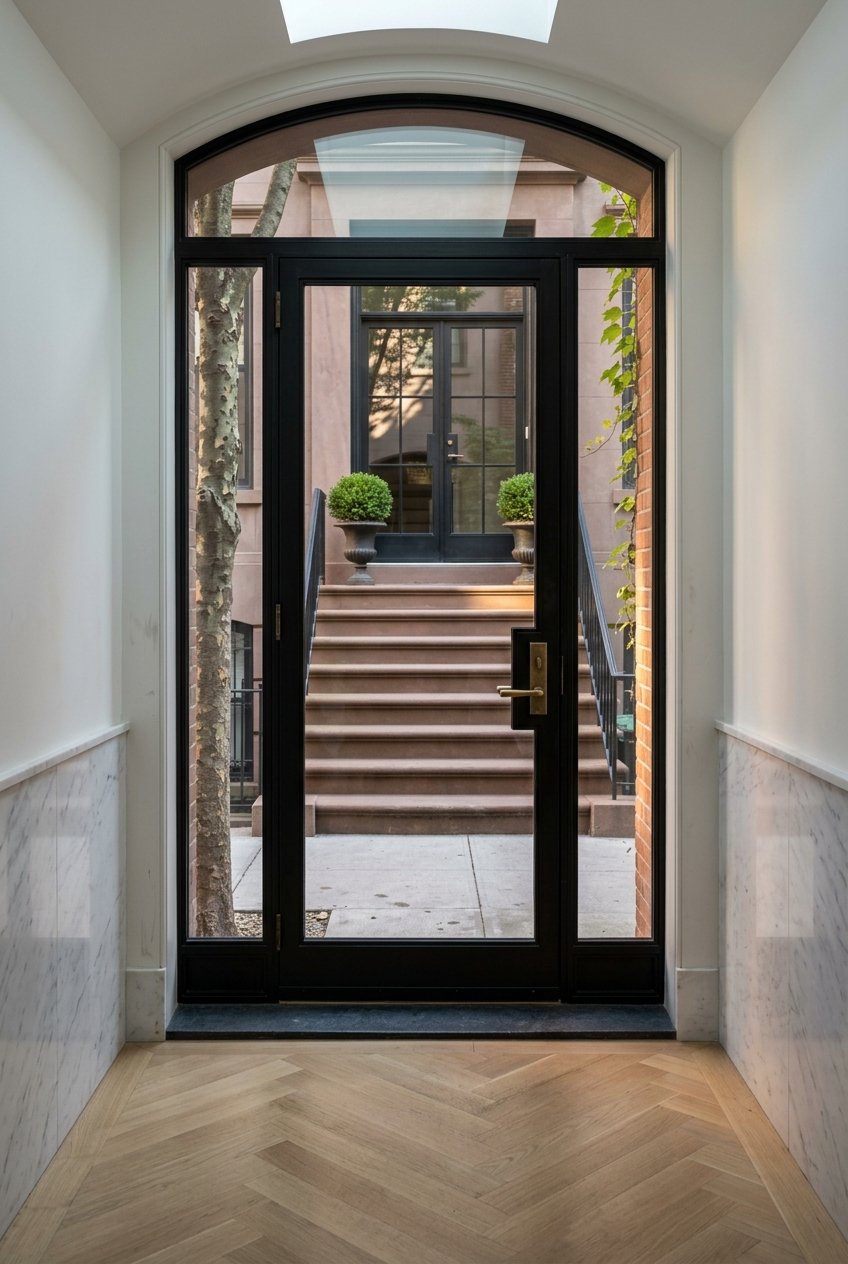
The West Village is the western section of Greenwich Village in Manhattan Community District 2, and much of its identity comes from its historic built form. It sits within the Greenwich Village Historic District, which was designated in 1969, and many exterior changes in landmarked areas require review by the Landmarks Preservation Commission.
That preservation framework helps explain why the neighborhood looks and feels the way it does. Instead of a strict grid, the streets meet at irregular angles, and 7th Avenue South cuts diagonally through the area, creating the triangular corners and unusual intersections that give the West Village its visual character.
This is also a neighborhood shaped by mixed-use buildings rather than isolated residential towers. According to the local BID profile, 60% of properties are commercial or mixed-use after adjusting for condos, and 90% of commercial square footage is mixed-use. In practical terms, that means your coffee stop, dinner plan, and errands are often built right into the same blocks where people live.
One of the clearest lifestyle features of the West Village is how walkable your routine can become. The BID reports that about 45% of commercial square footage is devoted to food and drink, which helps explain why cafe culture and dining are such visible parts of the neighborhood.
The main commercial corridors include 7th Avenue South, Christopher Street, West 4th Street, Bleecker Street, and the west side of Avenue of the Americas. Each one adds a slightly different layer to the experience, from busier restaurant stretches to more boutique-driven retail pockets.
Bleecker Street, especially west of 7th Avenue South, is particularly associated with apparel and accessories. If you like the idea of neighborhood errands blending into browsing, coffee, and people-watching, that street-level mix is a big part of the appeal.
The West Village has a strong ground-floor culture. Low-rise mixed-use buildings, active storefronts, and compact blocks create a neighborhood where it is easy to move from one stop to the next without much planning.
That convenience matters whether you are living here full time or exploring the area as a potential buyer. You are not just evaluating an apartment or townhouse. You are also evaluating how easy it feels to grab coffee, meet friends, pick up a few things, or walk to dinner without needing to cross half the city.
The commercial energy is concentrated, but it is not one-note. Some blocks feel busier and more social, while others quiet down quickly once you turn the corner. That contrast is part of what makes the neighborhood feel layered instead of crowded.
The West Village is not only about restaurants and charming blocks. It also has a meaningful cultural and civic identity that is visible in everyday life.
Stonewall National Monument and Christopher Park anchor one of the area's most historically significant spaces. Together, they reflect the neighborhood’s place in civil-rights history and reinforce Christopher Street’s role as both a cultural corridor and a local gathering point.
Other long-standing cultural anchors add to that mix. Village Vanguard, White Columns, The Duplex, and Westbeth each represent a different part of neighborhood life, from live performance and nightlife to gallery programming and artist housing.
This combination gives the West Village a texture that goes beyond aesthetics. You are not just in a scenic part of Manhattan. You are in a neighborhood where history, art, performance, and public life are part of the street-level experience.
For many buyers and renters, one of the biggest surprises is how close the West Village feels to the water. Hudson River Park spans 550 acres across four miles of riverfront, and in the West Village section, the Apple Garden and adjacent Piers 45, 46, and 51 were among the first parts of the project to be built out.
That means waterfront access is not abstract here. It is part of the neighborhood’s daily use pattern, whether you want open views, a longer walk, or a break from the density of interior Manhattan blocks.
Smaller open spaces also matter. Christopher Park is a compact 0.12-acre public space that is part of Stonewall National Monument, while James J. Walker Park offers 1.67 acres with athletic facilities and handball courts.
If you are comparing downtown neighborhoods, this balance can be important. The West Village offers both intimate pocket spaces and direct access to a major waterfront park system.
The West Village has a reputation for charm, but much of that charm comes from its quieter side streets and hidden lanes. Village Preservation highlights places like Bank Street, Grove Court, Patchin Place, and Waverly Place as especially notable for their secluded, tree-lined, and irregular character.
Bank Street is often described through its mix of apartments, eateries, boutiques, and mature streetscape. Grove Court, by contrast, is known more as a tucked-away oasis. These kinds of blocks help explain why the neighborhood can feel surprisingly calm even when major commercial streets are only a short walk away.
For buyers, these corners often shape the emotional side of a search. You may come for the location and transit, but the quieter lanes are often what make a home feel memorable.
The West Village housing stock is closely tied to its history and built form. Typical options include historic townhouses, walk-ups, low-rise mixed-use buildings, older small rentals, and condos.
This is generally not a neighborhood defined by large floor plates or heavy amenity packages. Based on the street pattern, building mix, and housing inventory, the West Village tends to fit people who value historic character, walkability, and a compact daily radius more than new-development scale.
That matters when setting expectations. Rentals are often older and smaller, and many residential choices reflect the neighborhood’s prewar and low-rise fabric rather than newer tower living.
Westbeth stands apart as a notable outlier because it combines artist housing, live-work space, and cultural programming. Even so, the broader neighborhood remains defined by historic residential forms and mixed-use streets.
The West Village sits firmly in premium price territory. As of April 2026, public market snapshots placed median listing prices around $1,665,000, with median sale price data around $1.4 million.
On the rental side, reported median rents ranged from about $5,200 to $5,995 per month. A practical shorthand is that sales often sit in the mid-$1 million to high-$1 million range, while rentals often fall around the $5,000 to $6,000 per month range.
Of course, pricing can vary significantly by building type, condition, layout, and exact location. In a neighborhood like the West Village, block-by-block nuance matters, especially when you are comparing a townhouse apartment, a condo, or an older walk-up rental.
The West Village lifestyle is closely tied to transit access. The district is served by the 1, A, C, E, B, D, F, and M subway lines, along with the M8, M20, and M55 buses.
The Christopher Street-Stonewall station serves the 1 line, and West 4 St-Washington Sq connects to the A, C, E, B, D, F, and M lines. PATH service is also available at Christopher Street, one block west of the BID boundary.
That level of connectivity supports a neighborhood that feels local without feeling isolated. You can keep a compact daily routine close to home while still having strong access to the rest of Manhattan and beyond.
The West Village tends to appeal to people who want a lifestyle-first Manhattan experience. If you care about historic streets, strong walkability, local dining, cultural landmarks, and access to the waterfront, the neighborhood offers a very specific mix that is hard to replicate.
It can be especially appealing if you are comfortable trading square footage and newer building amenities for character, location, and street-level energy. That tradeoff is central to understanding the area.
For buyers and sellers alike, that is why neighborhood positioning matters so much here. In the West Village, value is tied not only to the residence itself, but also to the block, the corner, the nearby commercial rhythm, and the kind of daily life the address supports.
If you are weighing a move, planning a sale, or trying to understand how one pocket of the neighborhood compares with another, working with a team that understands both the numbers and the lifestyle can make the process much clearer. To start the conversation, connect with The Holt Team.
Interested in subscribing to our newsletters? Click below to receive our emails to make sure you never miss a beat (we won't blow up your inbox). Choose from Holt's Trending, Off-Market Listings, Holt's Monthly Market, and Open House List.
The Holt Team is renowned for their unmatched ability to connect buyers with their dream properties and help sellers achieve their real estate aspirations. They understand that the ultimate determination of success is not awards or accolades, but the admiration of their clients. It's this unwavering commitment to client satisfaction that has earned them a loyal following and countless accolades.
88 University Pl 3rd Floor New York, NY 10003