Comparing Riverside Drive vs Central Park West on the UWS
July 9, 2026
July 9, 2026
Choosing between Riverside Drive and Central Park West on the Upper West Side is not just about an address. It is about how you want your day to feel when you step outside, what kind of building stock fits your lifestyle, and how much weight you place on park access, street energy, and layout style. If you are trying to decide between these two iconic corridors, this guide will help you compare the tradeoffs clearly and confidently. Let’s dive in.
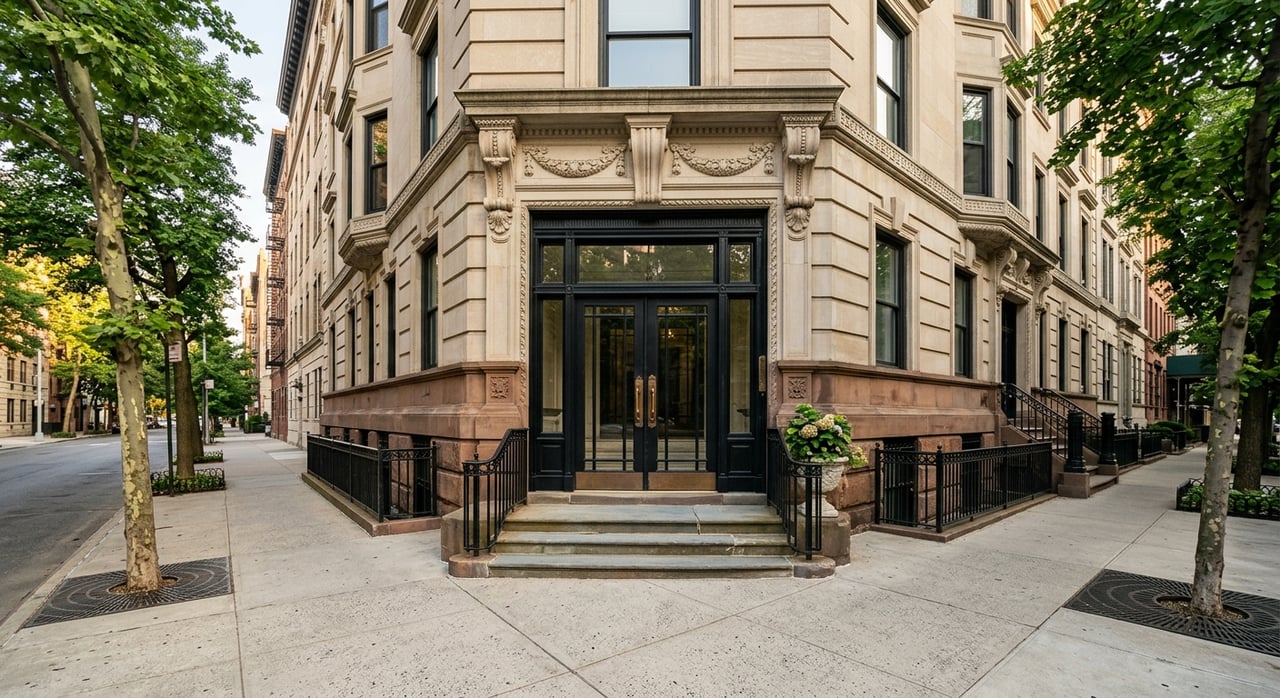
Central Park West is the more formal, park-front boulevard of the two. Its historic character is closely tied to grand apartment buildings, and current listings on the avenue still reflect that classic Upper West Side identity.
In practical terms, that often means larger pre-war co-ops with traditional room counts. At 322 Central Park West, for example, listings describe classic 6 and classic 8 layouts, with features like woodburning fireplaces, high ceilings, and park views. At the same time, 262 Central Park West shows that the avenue also includes a range of home sizes, from smaller entry points to very large multi-bedroom residences.
Riverside Drive has a more mixed and residential feel. Historic district material describes a streetscape that includes row houses and townhouses from the 1890s, along with tenements and a 1920s apartment building, which helps explain why the avenue can feel more varied block to block.
Today, that variety still shows up in the housing stock. Current examples include condo conversions and pre-war co-ops with a broad mix of layouts, from studios and one-bedrooms to larger family-sized homes. Buildings like 230 Riverside Drive, 265 Riverside Drive, and 118 Riverside Drive reflect that wider spread of apartment types.
If your ideal Upper West Side routine includes immediate access to Central Park, Central Park West has a clear advantage. NYC Parks identifies Central Park as stretching from 59th Street to 110th Street on the west side, covering 840.01 acres.
That scale matters in daily life. Central Park includes 21 playgrounds, 36 bridges and arches, and draws more than 25 million annual visitors. For buyers who want one of the city’s most recognizable park settings right outside the building, Central Park West delivers that iconic experience.
Riverside Drive offers a different kind of outdoor value. It fronts Riverside Park, and the surrounding experience tends to feel more scenic and river-oriented, with a tree-lined drive and open views shaped by the landscape.
According to the Riverside Park Conservancy, the park is open daily from 6 a.m. to 1 a.m. It also hosts Summer on the Hudson, a major seasonal program spanning from 59th Street to Washington Heights with more than 400 free events. If you like the idea of a calmer park edge with a strong connection to the river, Riverside Drive stands out.
Central Park West is the busier and more transit-active corridor. A 2019 NYC DOT presentation described heavy vehicular volumes on all approaches, complex signal timing at transverses, 22 bus stops, and heavy bus movements, with the M10 bus running every 10 to 12 minutes during peak hour.
That activity can be a plus if you value connectivity and a more active city rhythm. It can also be an important factor if you are sensitive to traffic, turning movements, or a steadier stream of buses along the avenue.
Riverside Drive is still a real traffic corridor, but the street often feels more buffered and scenic. Its historic identity is tied to a curving, tree-lined parkway, and parts of the corridor have seen traffic-calming and pedestrian-access improvements such as sidewalks, pedestrian islands, and median extensions.
For many buyers, that translates into a calmer street edge compared with Central Park West. It is not a quiet side street, but the overall atmosphere tends to read as more residential and less transit-heavy.
Central Park West tends to skew toward more formal pre-war layouts. If you are specifically looking for classic 6 or classic 8 room counts, gracious proportions, and the traditional feel associated with established co-op buildings, this avenue is often a better match.
That does not mean every unit is oversized. Listing samples on 262 Central Park West include a studio, a 3-bedroom, and a 4-bedroom, which shows some range. Still, the broader identity of the avenue leans formal and classic.
Riverside Drive tends to offer more variety in footprint and format. In the current sample, 230 Riverside Drive includes studios through 3-bedroom condos, while 265 Riverside Drive shows 1-bedroom and 2-bedroom co-op options.
That mix can matter if you want more choices across price points and apartment sizes. Buyers who are open to different building types, condo conversions, or less formal layouts may find Riverside Drive easier to shop across a wider set of needs.
The broader Upper West Side remains a premium market. In spring 2026, Zillow reported an average home value of $1,353,330 and a median sale price of $1,474,167, while Realtor.com reported a median listing price of $1.7 million and a median price per square foot of about $1,600.
Those are neighborhood-wide figures, not avenue-specific pricing. Still, they provide useful context for the pricing environment both corridors sit within.
In the current listing sample, Riverside Drive shows more options below $2 million and in the low $2 million range. Examples include a 1-bedroom at 265 Riverside Drive listed at $950,000, a 2-bedroom in the same building at $995,000, and 2-bedroom listings at 118 Riverside Drive priced at $1.895 million and $2.225 million.
Central Park West skews higher in the sample. At 322 Central Park West, 2-bedroom and 3-bedroom homes were listed around $3 million, while 262 Central Park West included a 3-bedroom at $3.3 million and a 4-bedroom at $15.995 million.
This is not a formal avenue-wide median comparison, but it does suggest a pattern. If you are seeking a broader mix of lower entry points, Riverside Drive may offer more flexibility. If your priority is iconic park frontage and larger formal homes, Central Park West often commands that premium.
Both corridors include landmarked stretches, which can shape what ownership looks like over time. Central Park West sits within the Upper West Side/Central Park West Historic District, and Riverside Drive includes landmarked blocks such as the Riverside Drive West 80th-81st Street district.
For buyers, the key takeaway is practical. Exterior alterations in historic districts usually require Landmarks Preservation Commission approval, so renovation flexibility can be more limited than on a non-landmarked street. If you are comparing homes with future updates in mind, that is an important part of the decision.
If you picture the Upper West Side as classic pre-war grandeur with Central Park directly across the street, Central Park West is usually the stronger fit. It tends to appeal to buyers who want a formal boulevard setting, more traditional co-op culture, and one of Manhattan’s most recognized park-front addresses.
If you want a more residential feel, scenic river access, and a wider mix of apartment types, Riverside Drive often makes more sense. The avenue can offer a calmer edge, more varied building stock, and more pricing diversity in the current sample.
Neither option is universally better. The right choice depends on whether you value iconic Central Park frontage and formal scale, or a more mixed, scenic, and residential riverfront setting.
If you are weighing Riverside Drive against Central Park West, the best next step is to compare specific buildings, layouts, and price points through the lens of your daily routine and long-term goals. For tailored guidance on Upper West Side co-ops, condos, and townhouse opportunities, connect with The Holt Team.
Interested in subscribing to our newsletters? Click below to receive our emails to make sure you never miss a beat (we won't blow up your inbox). Choose from Holt's Trending, Off-Market Listings, Holt's Monthly Market, and Open House List.
The Holt Team is renowned for their unmatched ability to connect buyers with their dream properties and help sellers achieve their real estate aspirations. They understand that the ultimate determination of success is not awards or accolades, but the admiration of their clients. It's this unwavering commitment to client satisfaction that has earned them a loyal following and countless accolades.
88 University Pl 3rd Floor New York, NY 10003