Your Downtown Brooklyn Lifestyle Guide to What Locals Know
February 5, 2026
February 5, 2026
What do locals know about Downtown Brooklyn that first-timers miss? The pace here shifts by the hour, the skyline rises around you, and nearly everything you need sits within a short walk. If you want an urban lifestyle with quick Manhattan access, this is one of the best-connected corners of the borough. In this guide, you will learn how the neighborhood feels block to block, what housing looks like, how you will get around, and the common tradeoffs to weigh before you commit. Let’s dive in.
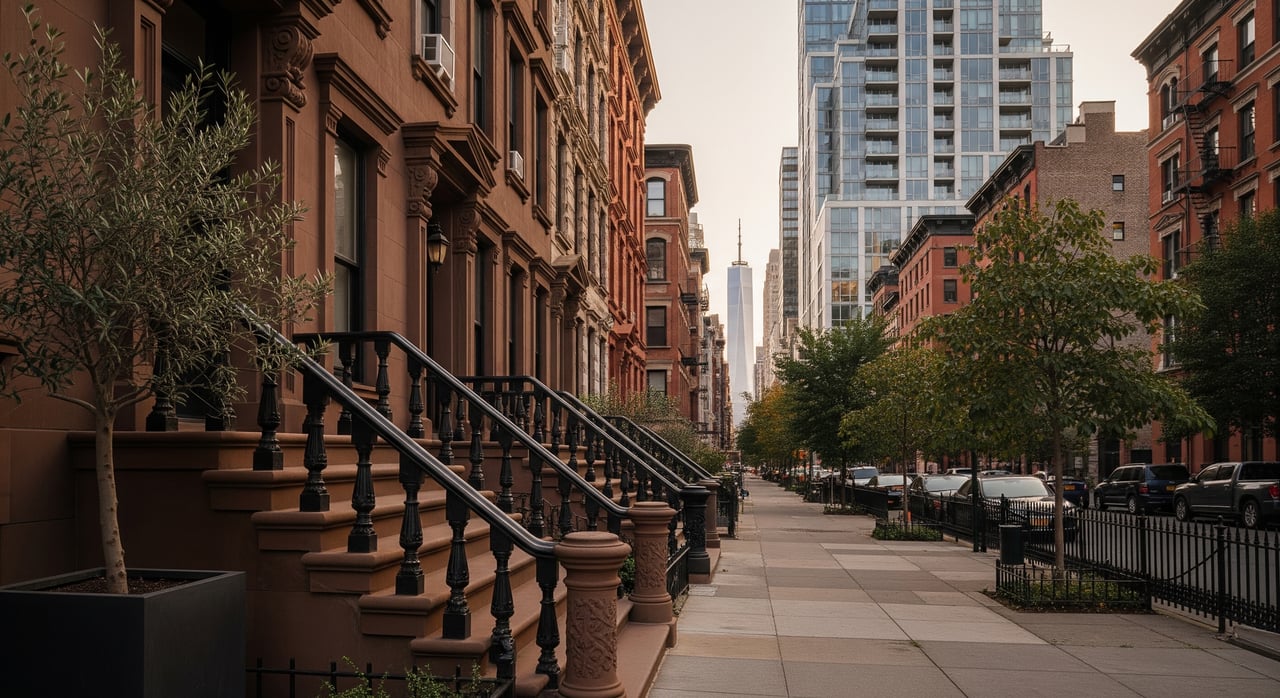
Downtown Brooklyn is the commercial and civic heart of northern central Brooklyn. Locals reference Borough Hall, MetroTech, the Fulton Mall corridor, and City Point as everyday landmarks. The area blends municipal buildings, office towers, retail, cultural venues, and a growing residential skyline.
The vibe is highly walkable and busy during the day, with office workers, students, and shoppers filling sidewalks. Evenings can feel quieter on brownstone blocks and livelier near restaurant clusters and major corridors. You will see a mix of families, young professionals, students, and long-time residents sharing the same streets.
You are also close to several distinct neighbors. Brooklyn Heights and parts of Boerum Hill bring historic charm on narrow, tree-lined blocks. DUMBO and Brooklyn Bridge Park offer waterfront recreation and iconic views a short walk away. Fort Greene and Prospect Heights add arts, dining, and nightlife within quick reach.
Housing here is a true blend. You will see prewar brownstones and older walk-ups on nearby blocks, converted lofts closer to the DUMBO interface, and a wave of modern rental and condo towers near Willoughby, Flatbush, Atlantic, MetroTech, and City Point. Newer buildings often feature doormen, gyms, roof decks, lounges, and in-building conveniences.
Studios through three-bedrooms are common in the newer towers. Larger, family-sized apartments exist but are less common and usually command higher prices. Single-family homes are limited here compared with surrounding brownstone neighborhoods.
Condominiums and co-ops are both in the mix. Many new developments sell as condos, while older buildings can be co-ops or established condos with varying rules. If you are buying, it pays to review common charges, building reserves, board approval requirements, and the tax and assessment history. If you are renting, expect to evaluate lease lengths, amenity packages, and broker fees, which are still common in New York City.
Downtown Brooklyn sits near the higher end of Brooklyn pricing because of location, walkability, and the scale of new construction. Prices and rents often compete with other central Brooklyn neighborhoods and are significantly higher than many outer-borough areas. Post-pandemic, the area saw the same office and rental shifts as other urban cores, with new development continuing and absorption pacing projects over time.
A major rezoning in the early 2000s encouraged taller residential and office buildings. That decision reshaped the skyline and created today’s mix of landmarked low-rise blocks and glassy high-rise towers. The result is a concentrated, vertical neighborhood where everyday errands and transit are typically minutes from your door.
Downtown Brooklyn is one of the borough’s best transit hubs. Multiple subway stations cluster around Borough Hall and Court Street, Jay St–MetroTech, and the Atlantic Terminal and Barclays Center area. Long Island Rail Road service at Atlantic Terminal gives you regional access without crossing the river. For many Manhattan job centers, commute times from here are among the shortest in Brooklyn.
Walkability is a signature advantage. Grocery stores, pharmacies, coffee spots, and daily services sit within short blocks. Citi Bike docks are widely available, and protected bike lanes connect you to Williamsburg, Prospect Park, and bridges to Manhattan. If you want to live car-light or car-free, this is one of the easiest places in Brooklyn to do it.
Street parking is scarce and strictly regulated, and many buildings do not include garages. Driving is feasible for weekend trips or errands, but congestion and paid parking are part of the routine. Many residents opt to skip car ownership and rely on transit, bikes, and rideshare.
You can handle most errands on foot. Fulton Mall offers dense, pedestrian-friendly retail. City Point and the Atlantic Avenue corridors add larger-format shopping and grocery options. You will also find neighborhood essentials like delis, bakeries, pharmacies, laundromats, gyms, and medical offices within a short walk.
Expect range and variety. You will find casual and fast-casual along Fulton Mall and Atlantic Avenue, plus higher-end dining and cocktail options near City Point and adjacent restaurant corridors in Boerum Hill and Fort Greene. Food halls and markets have grown in recent years, which adds convenient, family-friendly choices.
Cadman Plaza Park provides green space right in the area. The East River waterfront is close, and Brooklyn Bridge Park offers a wide sweep of open space, trails, sports fields, playgrounds, and sweeping skyline views. For a dense urban neighborhood, nearby riverside parks are a standout.
Public elementary and middle schools serve parts of Downtown Brooklyn, and families often look closely at catchment boundaries when choosing a building. Charter and private school options are also used by local families. Daycare and early education centers are available, though waitlists can be common and capacity varies block to block.
Hospitals, clinics, and urgent care centers are located in and around Downtown Brooklyn. Specialists and routine care are typically accessible by foot or a short transit ride.
The tradeoffs are straightforward. You exchange some quiet and space for convenience and access. Newer buildings may offer stronger amenities but smaller footprints. Parking is limited, so plan around transit. Housing costs are higher than many outer neighborhoods, which reflects the location and services.
Focus on building quality and governance. In condos, evaluate common charges, reserves, recent or upcoming capital projects, and any tax abatements or assessments. In co-ops, review board requirements, sublet policies, and financial strength. If you want larger layouts, broaden your search to adjacent neighborhoods while keeping Downtown Brooklyn convenience in reach.
Set a clear budget that accounts for potential broker fees and amenity costs. Compare floor plans in newer towers, since modern layouts can vary in storage and usable living space. If you plan to move with pets, confirm policies and any associated fees early. Consider multi-year leases if you value cost stability and can secure favorable terms.
Monday morning starts with a quick walk to the subway and a coffee on the way. Lunchtime sidewalks fill near Fulton Mall as office workers and students queue for grab-and-go spots. By evening, residential towers glow as residents head to gyms or relax on roof decks.
Midweek errands stay simple. You can pick up groceries, drop a package at the post office, and book a same-day appointment nearby without leaving the neighborhood. Citi Bike docks make short trips easy, and protected bike lanes keep your ride straightforward.
Weekends bring more choices. A stroll to Cadman Plaza Park or the waterfront offers open air and skyline views. Casual brunch and higher-end dinner options sit within blocks. Seasonal markets, outdoor screenings, and community events often pop up in plazas and park spaces, so a quiet day can shift into something festive fast.
If you want an urban lifestyle with short commutes and everyday convenience, Downtown Brooklyn delivers. You will trade some space for amenities and energy, but the neighborhood’s walkability and transit access can simplify your routine. Think about your noise tolerance, preferred building style, and must-have amenities, then compare those priorities against the specific block and building you are considering.
If Downtown Brooklyn is on your short list, you deserve a guide who understands co-ops, condos, board approvals, and how to position your offer or listing in a competitive, amenity-rich market. For data-driven advice, curated tours, and concierge-level preparation, connect with The Holt Team. Request a Consultation.
Interested in subscribing to our newsletters? Click below to receive our emails to make sure you never miss a beat (we won't blow up your inbox). Choose from Holt's Trending, Off-Market Listings, Holt's Monthly Market, and Open House List.
The Holt Team is renowned for their unmatched ability to connect buyers with their dream properties and help sellers achieve their real estate aspirations. They understand that the ultimate determination of success is not awards or accolades, but the admiration of their clients. It's this unwavering commitment to client satisfaction that has earned them a loyal following and countless accolades.
88 University Pl 3rd Floor New York, NY 10003